Historical Background
The origins of Lotharingia, the formation of the duchy, and Lorraine's changing relationship with France and the Empire.
Research
A scholarly survey of the duchy, its rulers, and its coinage.
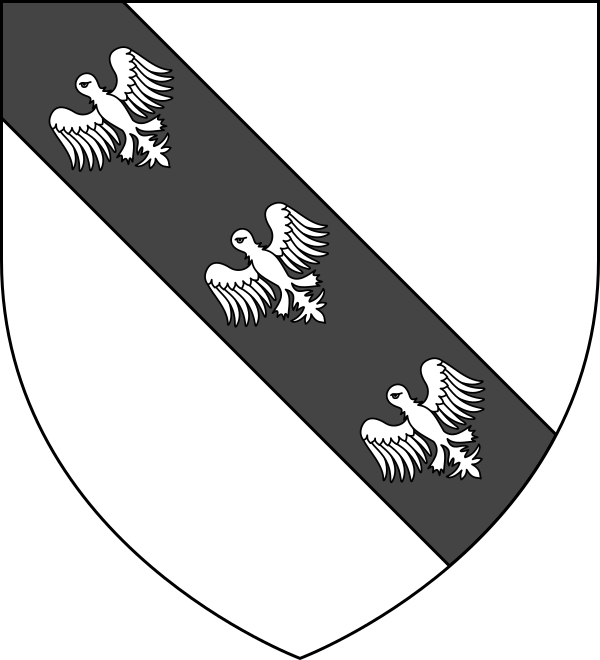
Lorraine (French: Lorraine; German: Lothringen) was a duchy in the northeast of present-day France and, until 1766, a constituent state of the Holy Roman Empire. Its former territory, together with adjacent historical lands, is today divided among the French region of Grand Est, Germany, Luxembourg, Belgium, and the Netherlands.
The research collected here is arranged along three axes: the historical background of the duchy, its coinage by the ruler who issued it, and its coinage by the mint that struck it. Where the published authorities disagree — and on attribution they frequently do — the competing readings are set out side by side rather than quietly resolved in favour of one.
The origins of Lotharingia, the formation of the duchy, and Lorraine's changing relationship with France and the Empire.
The coinage arranged chronologically by issuing ruler, with disputed attributions shown under every duke claimed for them.
Mints, legends, periods of operation, and the documentary and numismatic evidence used to identify places of issue.
Detailed studies of individual reigns, combining biography with a type-by-type examination of the coinage and the authorities on which its attribution rests.

Ruler study
r. 1251–1303
Half a century on the ducal throne produced the richest coinage in the series — abundant enough to collect in depth, and still resisting confident arrangement.
Ruler study
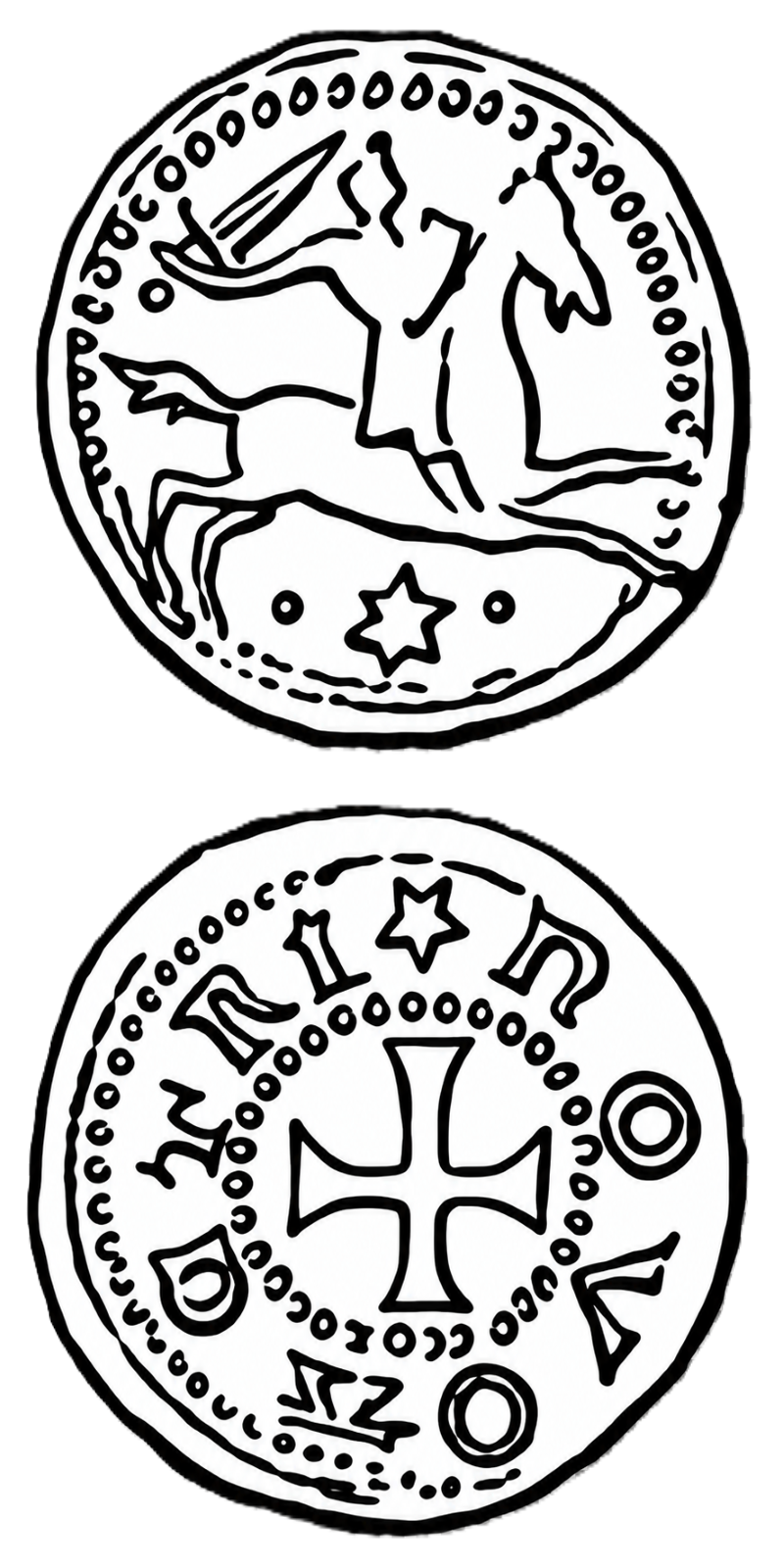
r. 1303–1312
A coinage that divides at the accession: three years struck as heir presumptive at Neufchâteau, nine as duke at Nancy, the difference one of rank rather than fashion.
Ruler study
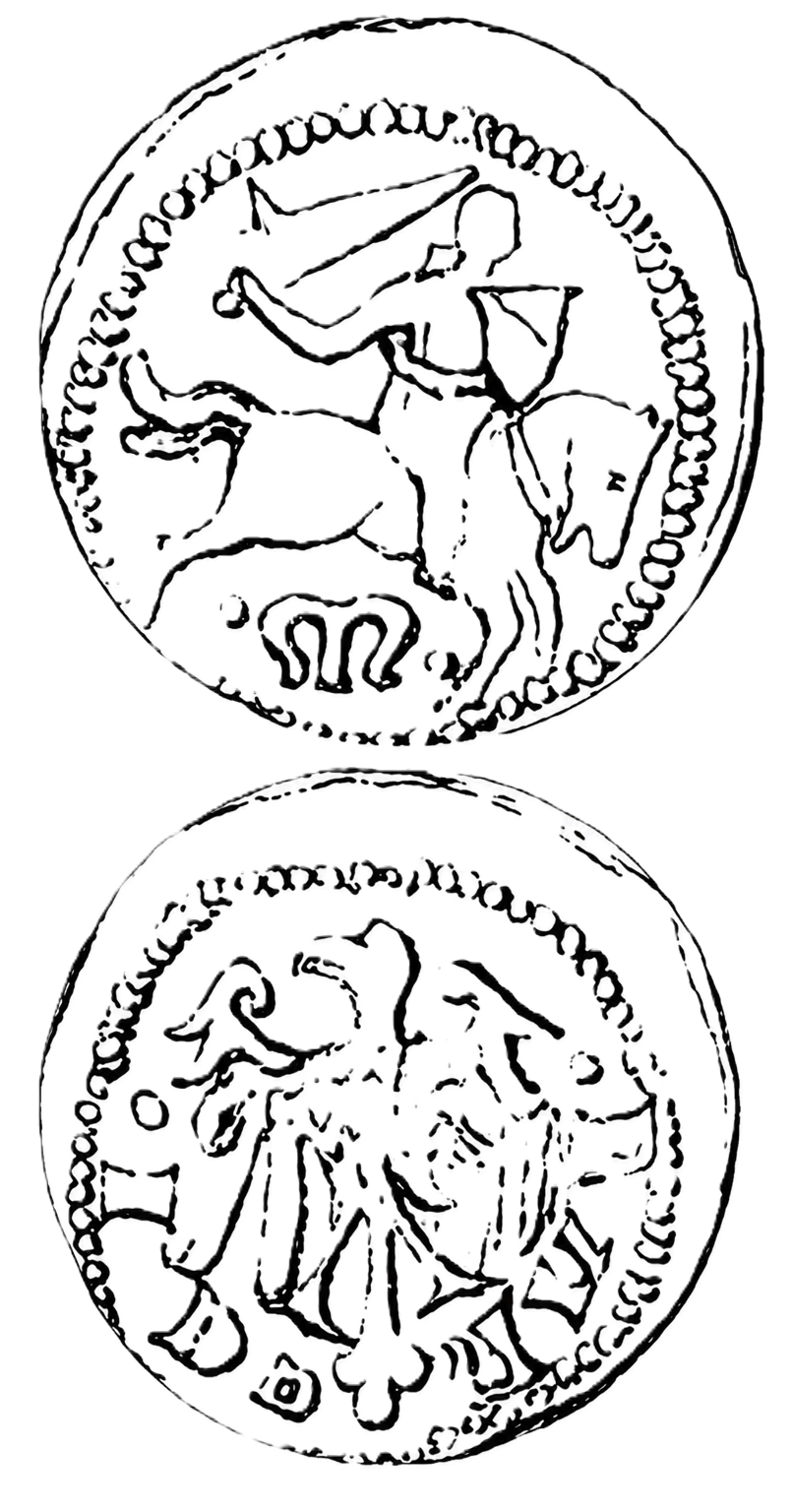
r. 1220–1251
A coinage assembled by inference: the deniers name their mints but seldom their duke, so the corpus rests on the towns Matthew acquired and his well-documented habit of answering an acquisition with a coin.
Browse the coinage and historical studies by ruler. Reigns still awaiting a biography are marked Forthcoming; their pages carry the regnal dates and nothing more.
Attributions, dates and mint identifications are presented with the evidence on which they rest. Where published authorities disagree, competing interpretations are retained rather than silently harmonised, and a type known only from an engraving is not listed as a coin.